Dumpster Rental Guide: What You Can and Cannot Throw Away
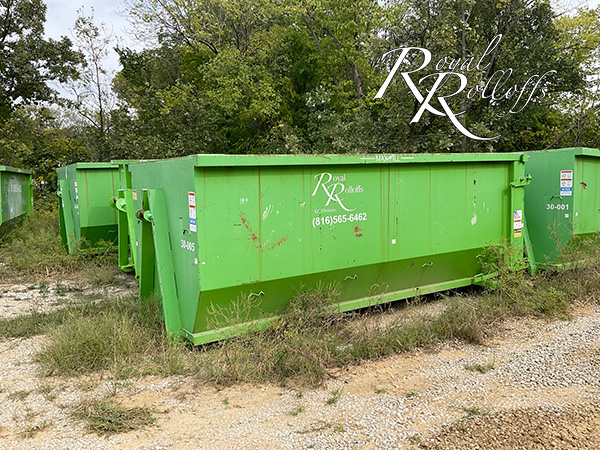
As you prepare for any type of cleanup or home renovation in the Independence, MO community, learning the rules for dumpster use is very important. People are frequently surprised to learn that not all materials can be disposed of in the same way. Understanding these rules helps prevent issues, extra expenses, and potential safety hazards during your project. At Royal Rolloffs, we focus on keeping the rental process smooth by helping you understand what belongs in the dumpster and what does not. This guide ensures you stay compliant and use your dumpster correctly.
Handling waste correctly is not just about making things easier. It ensures compliance with local and federal regulations, creates a safer environment, and reduces pollution. Understanding proper disposal categories, you can avoid interruptions and maintain steady progress. This breakdown highlights accepted and restricted materials, points out prohibited items, and offers advice for better organizing your waste.
Residential Junk and Everyday Trash
Common junk from your home is acceptable. These include things like broken chairs, unwanted clothing, old toys, cardboard boxes, and everyday trash. These are the materials most frequently found in residential dumpsters. If you are cleaning out storage areas such as garages or attics, these are typically the first items to go into the container. Organizing waste allows you to fit more and load safely.
You can also dispose of materials from home renovation such as drywall and flooring. They often come from improvement projects. Load heavy items first and break apart large debris for better space use. Doing this stabilizes the contents and makes it easier to add lighter waste above. Organized loading saves time and prevents needing extra pickups.
Yard Waste and Outdoor Materials
Yard waste is generally accepted and includes grass clippings, leaves, branches, and shrubs. Homeowners use dumpsters for landscaping projects, seasonal cleanups, and storm debris removal. Keeping yard debris separate from other materials helps with disposal and ensures that the waste is handled according to local composting or recycling regulations. It is recommended to cut down oversized roots and stumps before loading, because they often require additional handling.
Outdoor fixtures can be tossed if free from hazardous finishes. Treated lumber with hazardous coatings must be excluded, as they cannot be handled with normal debris. Bricks and concrete are fine but should be placed carefully for even weight. Weight distribution keeps the dumpster within legal hauling limits.
Items That Cannot Be Placed in a Dumpster
You cannot put every type of waste inside the dumpster. Hazardous waste, such as paint, chemicals, pesticides, oil, gasoline, and solvents, cannot be disposed of in this way. They may react and create unsafe situations. Your local hazardous waste program can direct you to the right facility.
Cooling appliances often have to be cleared of chemicals first. Electronics, batteries, and fluorescent bulbs often require special handling due to the presence of heavy metals or chemicals. Medical waste, biohazard materials, and certain contaminated soils are also prohibited. Knowing the rules beforehand keeps your rental compliant.
Remodeling and Demolition Materials
Dumpster rentals are frequently used for construction and demolition waste. Wood, roofing materials, metal, and concrete are typically allowed and may be placed in the same container. For large renovation projects, keeping similar materials grouped together can make recycling easier and help reduce the environmental impact of the project. Royal Rolloffs works with customers to ensure their construction debris is handled efficiently and within legal requirements.
Demolition projects can create piles of plaster, broken tile, and window frames. They may be disposed of if free of hazardous substances like asbestos. Any asbestos must be identified and handled by qualified personnel. A solid disposal plan ensures a smooth project and safer conditions.
Best Practices for Heavy Loads
You can load rock and soil but special care is necessary. Too much heavy debris risks violating weight limits. Customers should be mindful of how much heavy material is placed inside to rent dumpster Independence MO avoid exceeding weight limits. You may need to split loads to keep weights manageable.
When disposing of soil and stone, load gradually for balance. Balancing weight helps protect the container and truck. Telling us ahead of time about heavy waste ensures we send the right equipment. Proper preparation maximizes the use of the dumpster and ensures safety.
Eco-Friendly Disposal and Recycling
Environmentally aware disposal benefits everyone in the area. Careful sorting reduces landfill impact and protects the environment. We partner with recycling and disposal facilities for responsible waste processing. This commitment helps keep Independence, MO, clean and safe for future generations.
Separating reusable materials contributes to sustainable waste practices. It benefits both the environment and the disposal process. Royal Rolloffs provides guidance on best practices for waste sorting to make the process straightforward. Taking these steps allows customers to complete projects responsibly while staying in compliance with disposal regulations.
Getting the Most from Your Dumpster Rental
Being aware of accepted and restricted items ensures a stress-free rental. In Independence, MO, Royal Rolloffs is trusted to supply both containers and helpful advice. When you follow these steps, your jobsite stays organized and on schedule. Our mission is to make waste removal easy and safe for all projects. No matter if it’s a cleanout, renovation, or outdoor project, we ensure your container meets your needs.